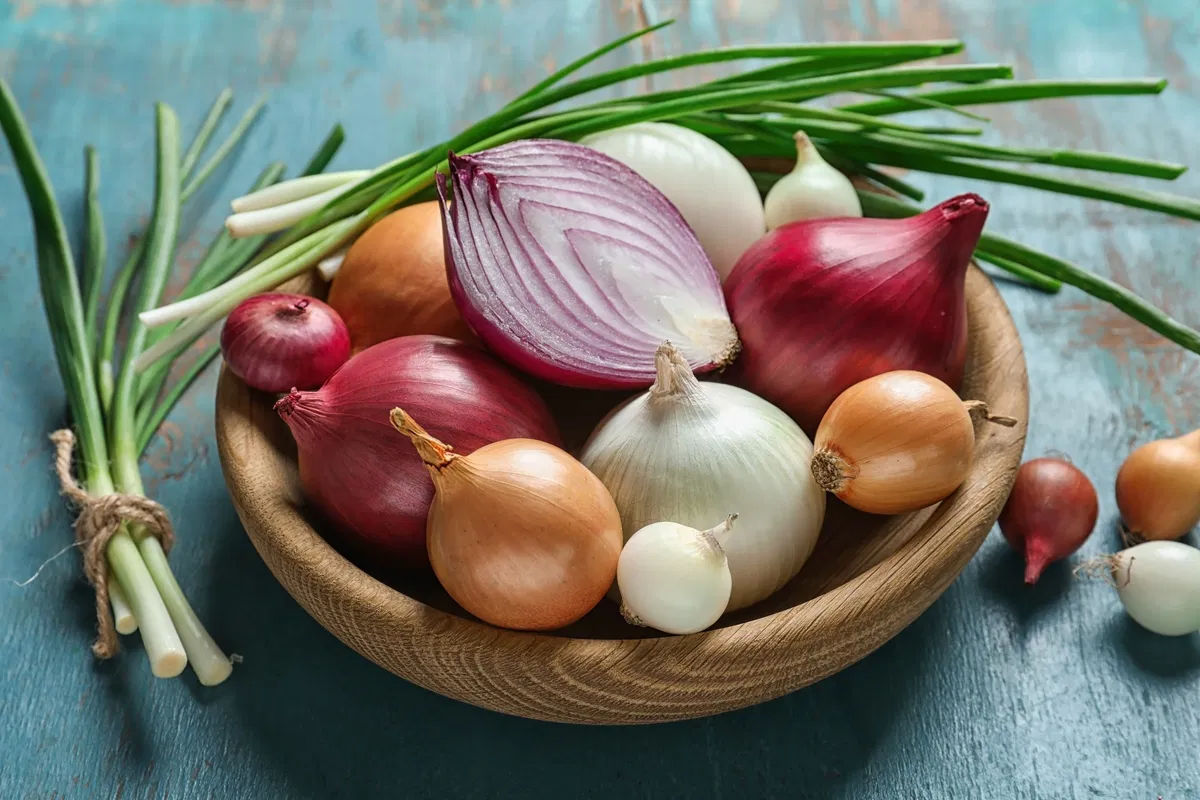
Türkiye is one of the leading countries in dry onion cultivation due to its climatic diversity and strong agricultural background. Dry onion is a strategic crop for farmers because it is a staple food in domestic consumption and can be stored for long periods. Across the country, provinces such as Amasya, Eskişehir, Çorum, Konya, and Ankara stand out in onion production, while the Polatlı district of Ankara has gained particular attention in recent years for both production volume and quality.
Polatlı is located in the Central Anatolia Region and has a typical continental climate, characterized by hot, dry summers and cold winters. These conditions are well suited for dry onion cultivation. Low humidity and abundant sunlight, especially during the bulb formation and maturation stages, positively affect bulb quality and shelf life. The wide and flat agricultural lands of the Polatlı Plain allow efficient use of modern agricultural machinery, helping producers manage costs more effectively.
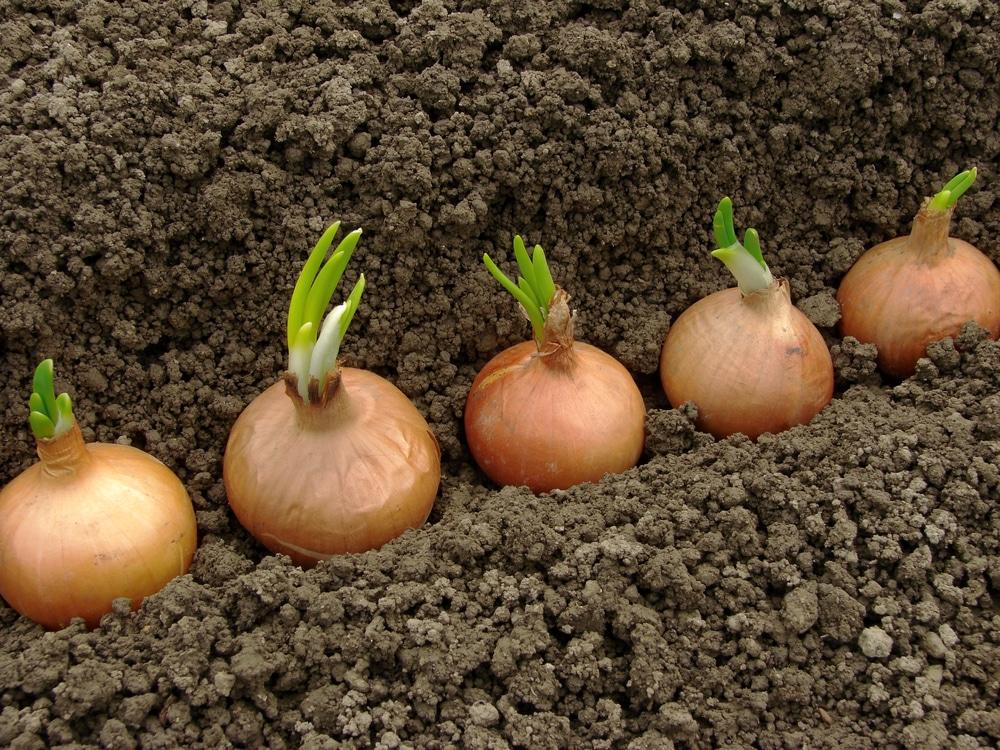
In terms of soil structure, loamy and clay-loam soils are common in Polatlı. When proper drainage is ensured, these soils are highly suitable for dry onion farming. Before planting, farmers usually carry out deep plowing to aerate the soil and reduce weed pressure. Onion sets are the most widely used planting material in the region, as they provide a shorter growing period and reduce climate-related risks.
Irrigation is one of the most critical factors in dry onion cultivation in Polatlı. Due to limited rainfall, drip or sprinkler irrigation systems are commonly used. Regular and controlled irrigation during the bulb development stage directly influences yield and bulb size. Avoiding excessive watering is essential, as it lowers the risk of diseases and improves storage quality.
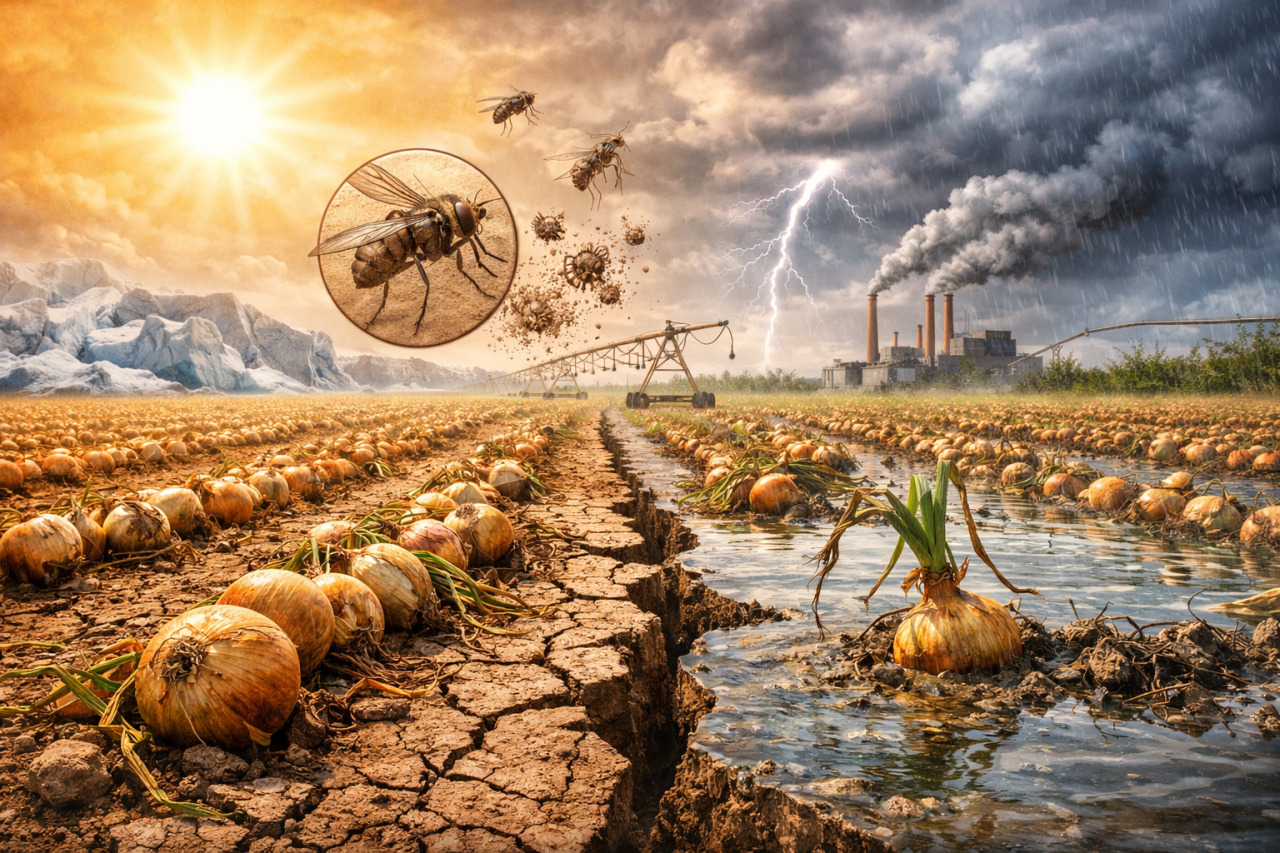
Fertilization practices in Polatlı are generally based on soil analysis. Maintaining a proper balance of nitrogen, phosphorus, and potassium improves both yield and bulb quality. In addition, disease and pest management is an important aspect of production. Farmers closely monitor threats such as onion fly and fungal diseases and apply preventive measures when necessary.
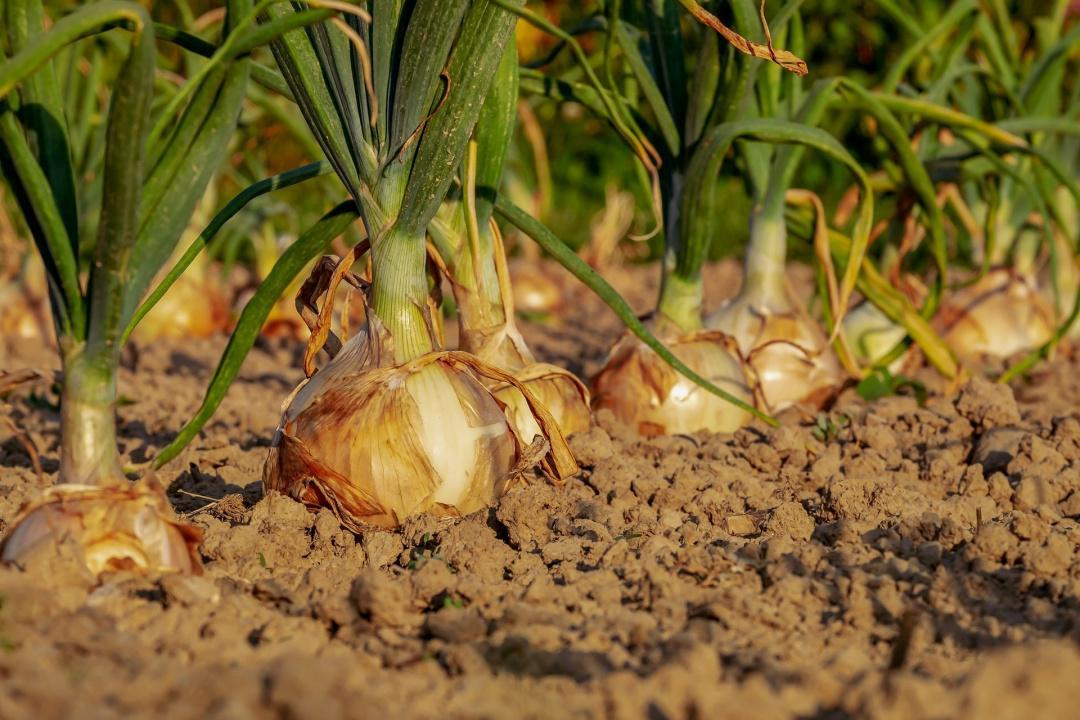
Harvest usually takes place toward the end of summer, when the leaves turn yellow and fall over. Post-harvest practices are especially important in Polatlı. Drying and storing onions under suitable conditions allow them to be kept for several months without significant quality loss. This enables producers to supply the market at more favorable times and achieve better economic returns.
In conclusion, Ankara Polatlı has become one of the key centers of dry onion cultivation in Türkiye. Thanks to its favorable climate, extensive agricultural lands, and the growing experience of local farmers, Polatlı makes a significant contribution to the country’s dry onion production in terms of both quantity and quality.
Polatlı is located in the Central Anatolia Region and has a typical continental climate, characterized by hot, dry summers and cold winters. These conditions are well suited for dry onion cultivation. Low humidity and abundant sunlight, especially during the bulb formation and maturation stages, positively affect bulb quality and shelf life. The wide and flat agricultural lands of the Polatlı Plain allow efficient use of modern agricultural machinery, helping producers manage costs more effectively.
In terms of soil structure, loamy and clay-loam soils are common in Polatlı. When proper drainage is ensured, these soils are highly suitable for dry onion farming. Before planting, farmers usually carry out deep plowing to aerate the soil and reduce weed pressure. Onion sets are the most widely used planting material in the region, as they provide a shorter growing period and reduce climate-related risks.
Irrigation is one of the most critical factors in dry onion cultivation in Polatlı. Due to limited rainfall, drip or sprinkler irrigation systems are commonly used. Regular and controlled irrigation during the bulb development stage directly influences yield and bulb size. Avoiding excessive watering is essential, as it lowers the risk of diseases and improves storage quality.
Fertilization practices in Polatlı are generally based on soil analysis. Maintaining a proper balance of nitrogen, phosphorus, and potassium improves both yield and bulb quality. In addition, disease and pest management is an important aspect of production. Farmers closely monitor threats such as onion fly and fungal diseases and apply preventive measures when necessary.
Harvest usually takes place toward the end of summer, when the leaves turn yellow and fall over. Post-harvest practices are especially important in Polatlı. Drying and storing onions under suitable conditions allow them to be kept for several months without significant quality loss. This enables producers to supply the market at more favorable times and achieve better economic returns.
In conclusion, Ankara Polatlı has become one of the key centers of dry onion cultivation in Türkiye. Thanks to its favorable climate, extensive agricultural lands, and the growing experience of local farmers, Polatlı makes a significant contribution to the country’s dry onion production in terms of both quantity and quality.