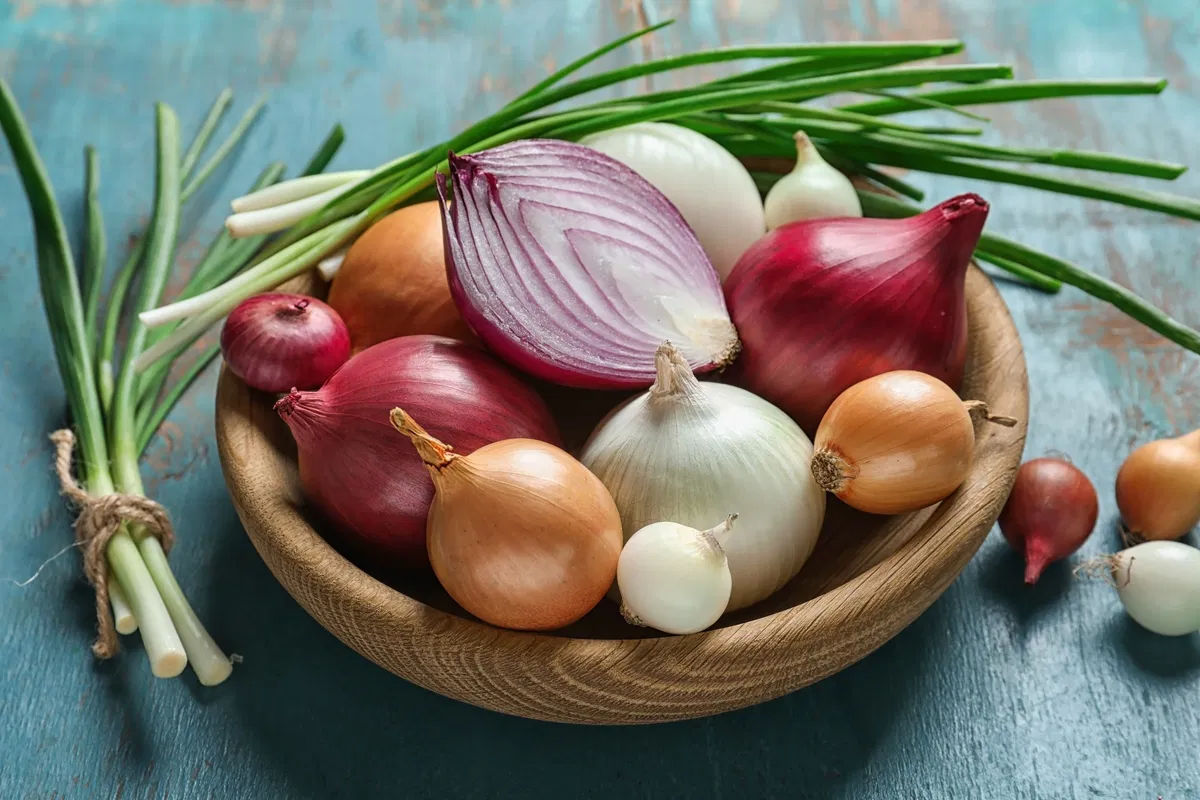
Dry onion is a vegetable that holds an important place both in culinary culture and agricultural production. Thanks to its durable structure, long storage life, and wide range of uses, it has high economic value for farmers. Dry onion cultivation can yield productive results when correct soil selection and proper maintenance practices are applied.
Dry onions grow best in loamy, well-drained soils rich in organic matter. The ideal soil pH ranges between 6 and 6.5. Before planting, the soil should be deeply plowed and cleared of weeds. Onion production can be carried out using seeds, sets, or seedlings. In many regions, cultivation with onion sets is common because it allows for a shorter growing period and earlier harvest.
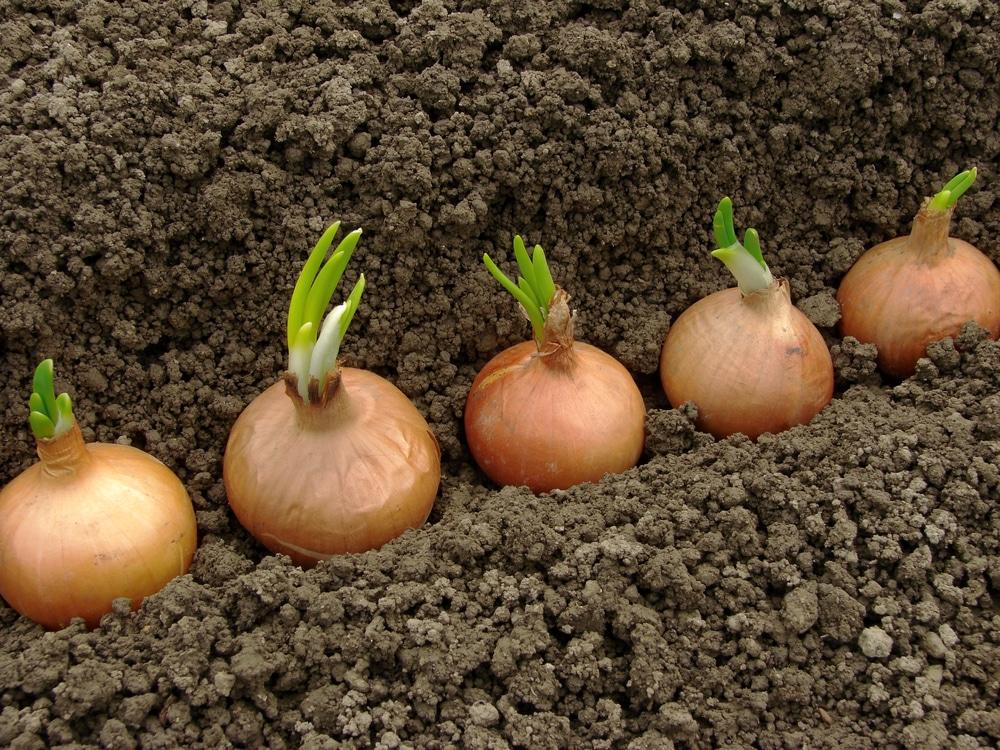
Planting time varies depending on the region, but it is generally done in early spring or autumn. Onion sets are planted at a depth of 3–5 cm, with row spacing of approximately 25–30 cm. Irrigation should be applied regularly, but excessive watering must be avoided, as too much moisture can cause bulb rot. Water demand increases particularly during the bulb formation stage.
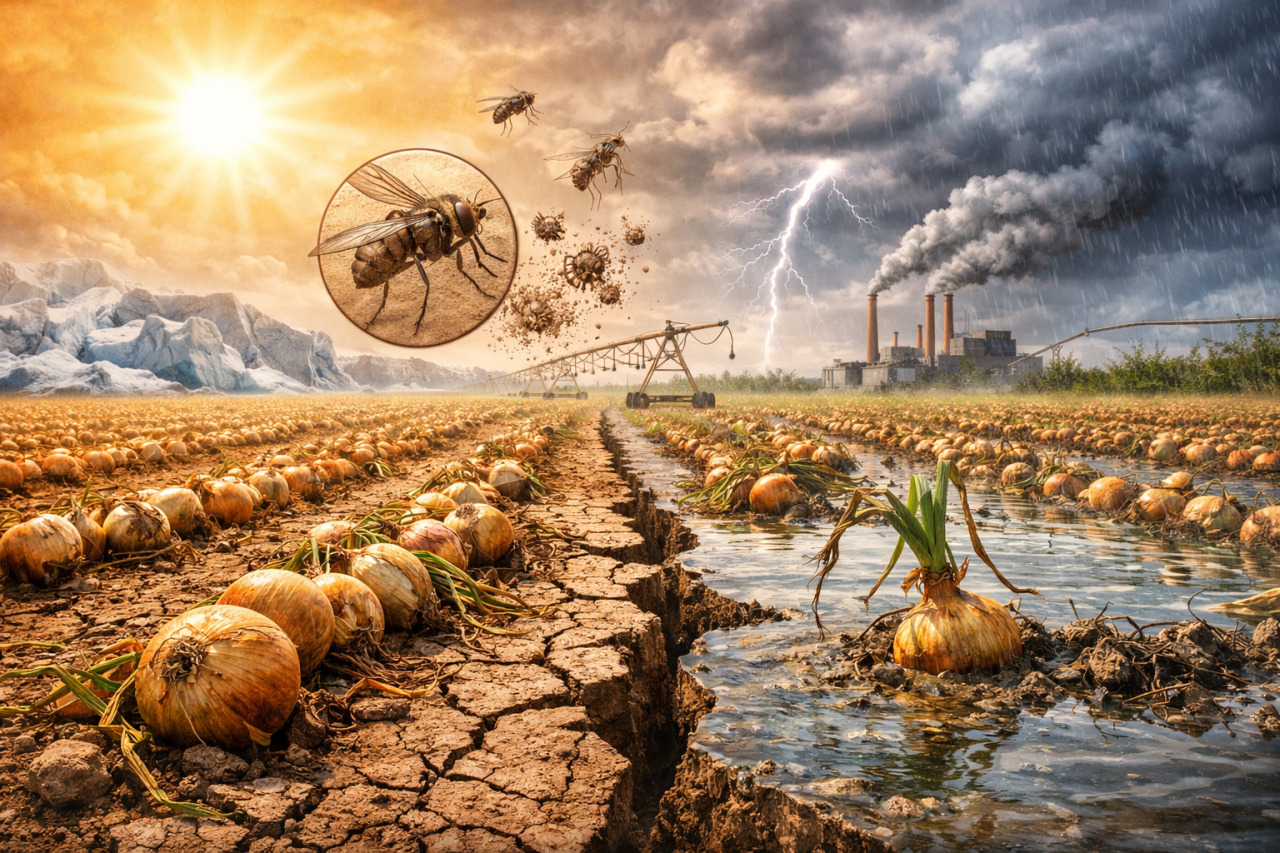
Fertilization should be planned according to soil analysis results. A balanced supply of nitrogen, phosphorus, and potassium directly affects yield and quality. Weed control can be achieved through mechanical or chemical methods. Diseases and pests, especially onion fly and fungal diseases, should be monitored regularly.
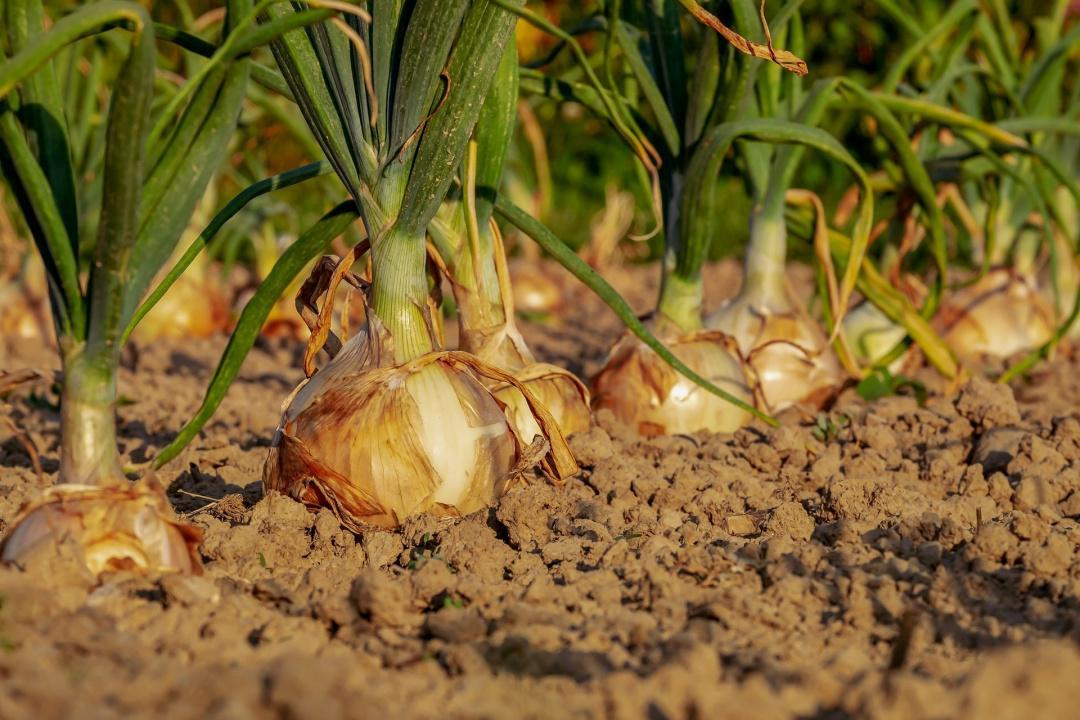
Harvest time is identified when the leaves turn yellow and fall over. After harvesting, onions should be properly dried and stored in well-ventilated warehouses. When these steps are applied correctly, dry onion cultivation becomes a sustainable and profitable agricultural activity.
Dry onions grow best in loamy, well-drained soils rich in organic matter. The ideal soil pH ranges between 6 and 6.5. Before planting, the soil should be deeply plowed and cleared of weeds. Onion production can be carried out using seeds, sets, or seedlings. In many regions, cultivation with onion sets is common because it allows for a shorter growing period and earlier harvest.
Planting time varies depending on the region, but it is generally done in early spring or autumn. Onion sets are planted at a depth of 3–5 cm, with row spacing of approximately 25–30 cm. Irrigation should be applied regularly, but excessive watering must be avoided, as too much moisture can cause bulb rot. Water demand increases particularly during the bulb formation stage.
Fertilization should be planned according to soil analysis results. A balanced supply of nitrogen, phosphorus, and potassium directly affects yield and quality. Weed control can be achieved through mechanical or chemical methods. Diseases and pests, especially onion fly and fungal diseases, should be monitored regularly.
Harvest time is identified when the leaves turn yellow and fall over. After harvesting, onions should be properly dried and stored in well-ventilated warehouses. When these steps are applied correctly, dry onion cultivation becomes a sustainable and profitable agricultural activity.